
7 Things to Check Before Hiring a NJ Solar Installer
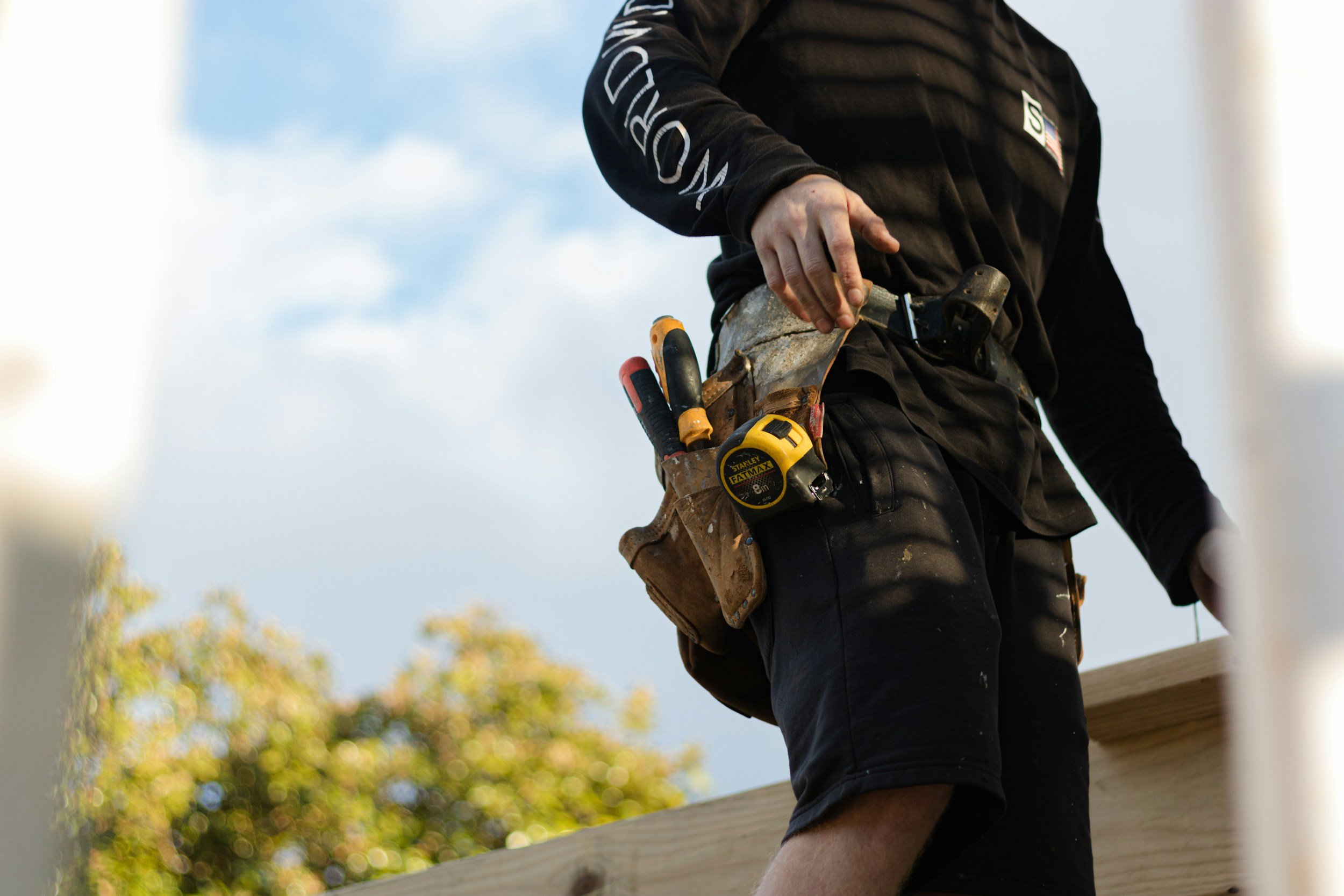
Solar is one of the largest home investments most New Jersey homeowners will ever make, and unlike a new roof or a kitchen remodel, a solar system is expected to keep performing for 25 years or more. That long timeline is exactly why hiring the right NJ solar installer matters more than almost any other decision in the process. A great system installed poorly — or backed by a company that disappears after the sale — can undo all the financial benefits solar is supposed to deliver.
If you're comparing solar companies in New Jersey right now, here are seven things worth checking before you sign anything
1. Is the Company Properly Licensed to Install Solar in New Jersey?
New Jersey requires solar installers to carry proper licensing, and this is one of the easiest things to verify — yet one of the most commonly skipped. Don't just take a sales rep's word for it. Ask directly for license information and confirm it through the appropriate state resources. A company unwilling to provide this information, or one that gets vague when asked, is an immediate red flag. Licensing isn't just a formality; it reflects whether the company meets the baseline standards New Jersey requires for electrical and structural work on your home.
2. Who Actually Installs the System — Employees or Subcontractors?
Many solar companies advertising heavily in New Jersey don't employ their own installation crews. Instead, they sell the job and hand it off to a subcontractor, sometimes one hired for a single project and never seen again. This matters because accountability gets murky fast when something needs to be fixed. Ask directly: "Is your installation crew in-house, or will this be subcontracted?" A company with dedicated, trained crews tends to deliver more consistent workmanship and is easier to hold accountable if problems come up later.
3. What Warranties Are Actually Included — and For How Long?
Solar warranties aren't a single thing; there are three separate layers, and homeowners often only hear about one of them during the sales pitch:
Manufacturer's equipment warranty — covers the panels themselves, typically 25 years from major manufacturers
Inverter warranty — often shorter than the panel warranty, sometimes 10–12 years depending on brand
Workmanship warranty — covers the actual installation labor, and this is the one that varies most between companies
A rock-bottom quote paired with a thin workmanship warranty can end up costing more over time if something needs repair in year six or seven. Always ask for warranty terms in writing, not just verbally during the pitch.
4. What Do Detailed, Recent Reviews Actually Say?
A high star rating alone doesn't tell the full story. Read the actual written reviews, especially recent ones, and look for patterns rather than one-off complaints. Pay attention to how the company handled problems when they came up — delayed timelines, miscommunication, post-install support — because how a company responds when things go wrong tells you more than how smooth the sales process was.
5. How Does the Company Handle NJ Permitting and Utility Interconnection?
New Jersey has its own permitting requirements and utility interconnection process through providers like PSE&G, JCP&L, and others depending on your service area. This step can take weeks, and it's an area where inexperienced or out-of-state companies often stumble. Ask specifically how the company manages this process, what timelines they typically see, and whether delays in this stage are common with their past NJ installs.
6. Is the Proposal Built Around Your Home, or Is It a Generic Quote?
A trustworthy installer designs your system around your actual roof orientation, shading, and household energy usage — not a generic package pulled from a spreadsheet. If a company gives you a full price quote without ever assessing your property or reviewing real usage data, that's a sign the number you're looking at isn't grounded in reality.
7. Are You Being Pressured to Sign Immediately?
"This price is only good if you sign today" is a sales tactic designed to shortcut your due diligence, not a reflection of real pricing constraints. Legitimate solar companies in New Jersey understand that a purchase this size deserves time to compare options. If a company's pricing seems to expire overnight, treat that as a signal to slow down rather than speed up.
The Bottom Line
Hiring a NJ solar installer isn't just about finding the lowest number on a quote — it's about finding a company that will still answer the phone in year ten. Running through these seven checks before signing takes an extra hour or two upfront, but it's far less costly than discovering problems after the panels are already on your roof.
Frequently Asked Questions
How do I verify a solar installer's license in New Jersey? Ask the company directly for their license number and confirm it independently rather than relying on their word alone.
Should I choose the cheapest solar quote? Not automatically. Price differences often reflect equipment quality, warranty coverage, and installation crew experience — all of which affect long-term performance and cost.
How long should a solar warranty last? Panel manufacturer warranties typically run around 25 years, while workmanship warranties vary significantly by installer — always confirm this in writing.
Ready to Compare a Trusted NJ Solar Installer? Advisor Solar has years of hands-on experience installing solar systems across New Jersey, backed by transparent warranties and a local team that sticks around after the install. Schedule a free consultation to get a personalized quote and see how we stack up against the checklist above.