
My Roof Is Leaking After Solar Was Installed — Now What?
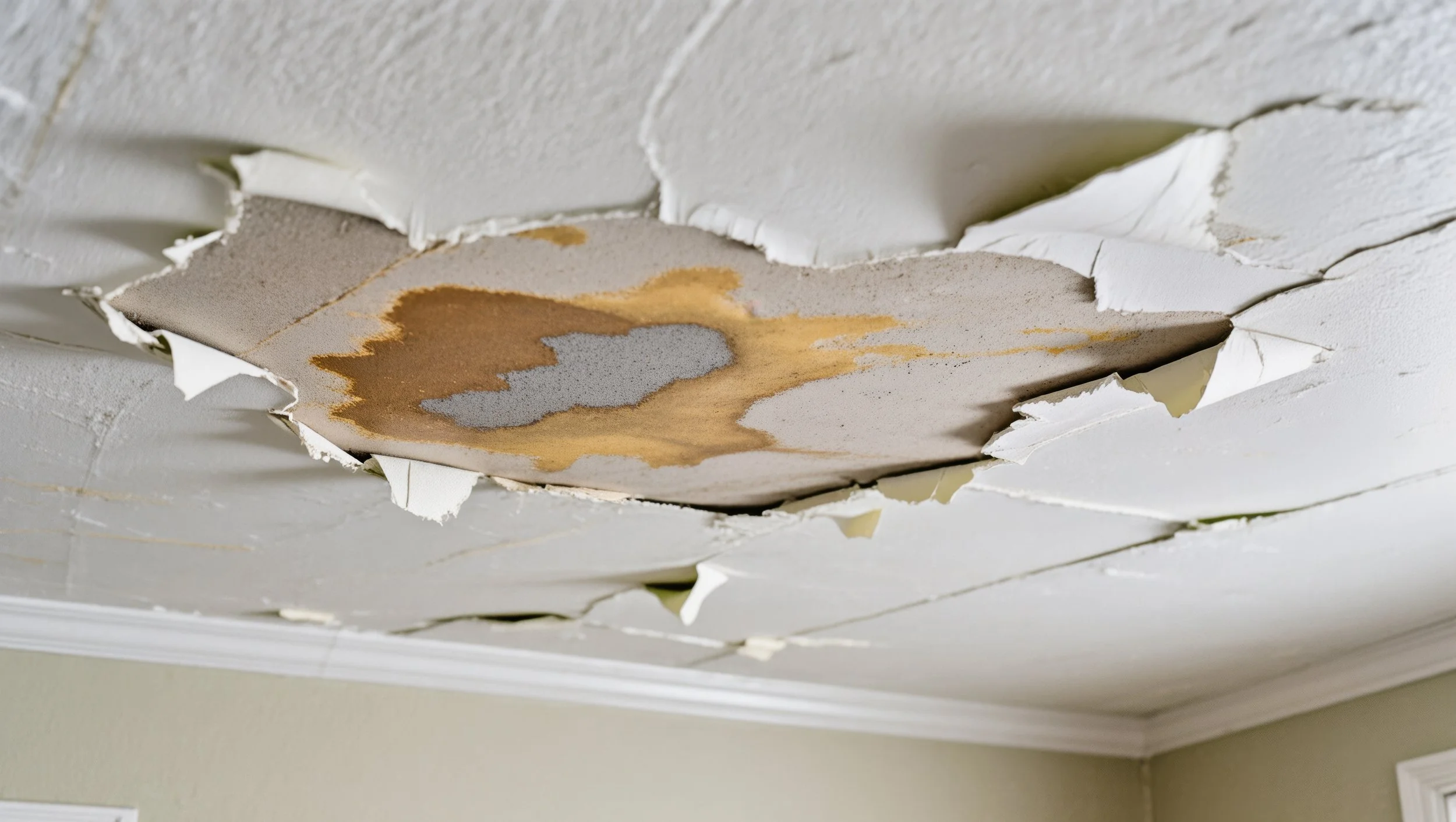
If you've noticed water damage inside your home after getting solar panels installed, you're not imagining things — and you're not alone. Roof leaks after solar installation are one of the most common complaints we hear from homeowners, and they're almost always the result of poor installation practices: improper flashing, wrong mount types, or holes that weren't sealed correctly.
The problem is that most homeowners don't connect the leak to the panels right away. It might show up months later during a heavy rainstorm, and by then the original installer has moved on — or worse, gone out of business.
What Causes Leaks Under Solar Panels?
Every solar panel is attached to your roof through a mounting system that requires penetrating the roofing material. When done correctly, those penetrations are sealed, flashed, and waterproofed to last decades. When done poorly, they become entry points for water every time it rains.
Common culprits include: missing or improper flashing around the mounts, caulk used instead of proper waterproofing (caulk cracks and shrinks over time), mounts placed in the wrong location on the roof deck, and lag bolts that weren't sealed before the mount was attached.
In central Florida, the issue is amplified by intense afternoon storms and hurricane-force winds that drive water horizontally into any gap. In New Jersey and Delaware, freeze-thaw cycles can expand tiny openings into serious cracks over a single winter.
Who Is Responsible for the Repair?
If your original installer is still in business, contact them first and document everything — photos, dates, written communication. Most reputable installers warranty their workmanship for at least 10 years. If they push back or go silent, your next step is to get an independent inspection from a licensed roofer who can provide a written assessment linking the leak to the installation penetrations. That documentation becomes critical if you need to escalate to a contractor's license board, file a complaint with your state's consumer protection agency, or pursue a claim through your homeowner's insurance.
If your installer has gone out of business, you're not without options. The panel and inverter manufacturers' warranties are separate from the installer's workmanship warranty — and some states have contractor recovery funds specifically for situations like this. A qualified solar service company (like us) can assess the damage, identify the source, and make the necessary repairs.
Don't Wait on This One
Water damage compounds quickly. A slow leak left unaddressed for a season can result in mold, rotted decking, and structural damage that costs far more to fix than the original roof penetration repair would have. If you suspect your solar installation is causing a leak, get eyes on it now. We serve homeowners across central Florida, New Jersey, and Delaware and can send a technician to assess your system and roof condition — no pressure, just answers.